

Why Is My Dog Coughing? 7 Potential Causes Every Owner Should Know

A dog coughing can point to anything from a mild airway irritation to a serious condition like heart disease, heartworm infection, or pneumonia. Occasional coughs after drinking or pulling on a leash are usually harmless, but a cough that lasts more than a day or two, worsens, or comes with other symptoms deserves a veterinary exam. Coughing is the body’s way of clearing the airways, so it always signals that something is bothering your dog’s throat, windpipe, or lungs. The trick for owners is figuring out whether that something is minor or urgent. Here in South Florida, our warm, humid climate adds year-round mosquito activity and heartworm risk to the list of possibilities. At Embassy Lakes Animal Hospital in Cooper City, our veterinarians evaluate coughing dogs every week. Below, we walk through seven common causes, what steps to take when you hear that hacking sound, and how the veterinary team pinpoints the problem.

Why Is My Dog Coughing?
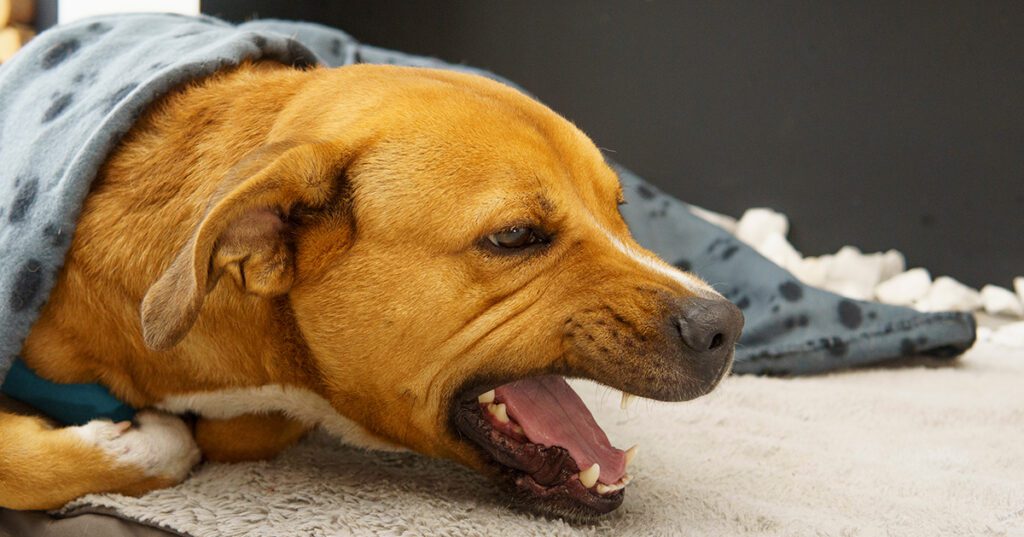
The sound of a cough often offers the first clue about where the problem starts.
Pay attention to how your dog’s cough sounds, since your veterinarian will ask:
- Honking: A goose-like honk often points to the trachea, or windpipe.
- Dry and hacking: This may sound like your dog is trying to clear something from its throat.
- Wet or moist: A gurgling cough can suggest fluid or mucus in the lungs.
- Nighttime or resting: Coughing that worsens when your dog lies down can be linked to heart problems.
1. Kennel Cough
Kennel cough, also called canine infectious respiratory disease complex, spreads easily wherever dogs gather, including boarding facilities, groomers, and dog parks. It typically causes a forceful, honking cough. Most dogs stay alert and keep eating, but puppies, seniors, and flat-faced breeds can develop complications that need closer attention.
2. Canine Influenza
Dog flu causes coughing along with fever, nasal discharge, and low energy. Some dogs develop secondary pneumonia.
3. Heartworm Disease
Mosquitoes spread heartworms, and South Florida’s climate makes this parasite a year-round threat. A soft, persistent cough and tiring easily on walks are common signs. Early infections often cause no symptoms at all, which is why routine testing matters even when your dog seems healthy.
4. Heart Disease
An enlarged heart can press on the airways or allow fluid to build up in the lungs. This is especially common in senior and small-breed dogs. Heart-related dog coughing often appears at night or after exercise and may come with faster breathing while your dog sleeps.
5. Collapsing Trachea
Toy breeds like Yorkies, Pomeranians, and Chihuahuas are prone to a weakened windpipe that produces a honking cough, often triggered by excitement or collar pressure.
6. Chronic Bronchitis
Long-term inflammation of the airways causes a dry cough that lingers for two months or longer.
7. Pneumonia
Lung infections from bacteria, viruses, or inhaled material often cause a wet cough, fever, and labored breathing. Dogs that vomit frequently or have trouble swallowing face a higher risk of aspiration pneumonia, a form of dog coughing that typically requires prompt care.
What to Do If Your Dog Is Coughing
Your first job is to observe carefully and decide how quickly your dog needs to be seen.
A single cough after a drink of water or a playful romp is rarely cause for concern. If dog coughing continues for more than a day or two, keeps coming back, or seems to get worse, schedule an appointment. Avoid giving human cough medicines or other over-the-counter products, since many contain ingredients that are harmful to dogs.
Signs That Call for Same-Day Care
Contact your veterinarian or an emergency hospital right away if coughing comes with any of the following:
- Labored, rapid, or open-mouth breathing while resting
- Blue, gray, or pale gums
- Coughing up blood or foamy pink fluid
- Collapse, fainting, or extreme weakness
- Fever, refusing food, or unusual lethargy
- A swollen belly
Information That Helps Your Veterinarian
A short video of your dog coughing on your phone can be incredibly useful, since many dogs stop coughing the moment they walk into the exam room. Also note when the cough started, when it happens most, and whether your dog recently boarded, visited a groomer, or spent time around other dogs. If you are unsure whether dog coughing warrants an urgent visit, call Embassy Lakes Animal Hospital at (954) 432-5811 and our team can help you decide on next steps.
How Veterinarians Diagnose Coughing in Dogs
Because so many conditions share the same symptom, diagnosing dog coughing usually takes a combination of history, examination, and testing.
The Physical Exam
Your veterinarian will listen carefully to your dog’s heart and lungs, check for a heart murmur or abnormal lung sounds, take your dog’s temperature, and gently feel the throat and windpipe. Your description of the cough, and any video you bring, guides which tests come next.
Diagnostic Testing
Depending on what the exam reveals, your veterinarian may recommend:
- Chest X-rays to look at the lungs, heart size, and airways
- A heartworm test, which is especially important for dogs in Florida
- Bloodwork to check for infection and evaluate overall health
- An echocardiogram, or heart ultrasound, when heart disease is suspected
- Respiratory panels to identify viral or bacterial infections
- Advanced imaging or airway sampling for persistent or unexplained coughs
Why Testing Matters
Two dogs can have nearly identical coughs with completely different causes. A coughing dog with an enlarged heart needs a very different plan than a dog recovering from kennel cough. Identifying the true source of dog coughing helps your veterinarian choose treatment that actually targets the problem, rather than simply quieting the symptom.
Dog Coughing Treatment Options
Treatment for a coughing dog depends entirely on the underlying cause, so there is no single solution that fits every case.
Infections and Kennel Cough
Many mild cases of kennel cough resolve on their own with rest, though your veterinarian may prescribe medication if a bacterial infection is present or symptoms are severe. Dogs with pneumonia or influenza may need antibiotics, fluids, or hospitalization with oxygen support. Contagious dogs should stay away from other pets until your veterinarian clears them.
Heart and Heartworm Conditions
Dogs with heart disease often receive prescription medications that help the heart work more efficiently and reduce fluid in the lungs. Heartworm treatment follows a carefully staged protocol over several months, with strict activity restriction throughout. Both conditions require ongoing monitoring and recheck visits.
Airway Conditions
Collapsing trachea and chronic bronchitis are typically managed rather than cured. Your veterinarian may prescribe anti-inflammatory medications, cough suppressants, or airway-opening drugs. Lifestyle changes such as switching from a collar to a harness, maintaining a healthy weight, and reducing exposure to smoke and dust can make a noticeable difference in dog coughing over time.
Prevention Plays a Role
Vaccines for Bordetella and canine influenza lower the risk of contagious respiratory illness, especially for social dogs. Year-round heartworm prevention remains one of the most effective ways to protect your dog’s heart and lungs in South Florida.
Getting Answers for Your Coughing Dog in Cooper City
Dog coughing is common, but it should never be ignored when it lingers or comes with other changes in your pet’s health. Whether the cause is a passing infection or a chronic condition, early answers lead to better comfort and more treatment options for your dog. The veterinary team at Embassy Lakes Animal Hospital takes a thorough approach, combining a careful exam with the right diagnostics to find the source of the cough. We also help Cooper City families stay ahead of respiratory problems through vaccines, heartworm prevention, and regular wellness visits. If your dog has developed a cough that won’t go away, or you simply have questions about what you are hearing, give us a call at (954) 432-5811. We are happy to schedule a visit and help your dog breathe easier.
Word count (body copy only): 1,214
Share This Article
Related Articles

About Embassy Lakes Animal Hospital
Located in Cooper City, FL, we strive to do more than simply be a full-service veterinarian for your pet. Our decades of experience has served generations of families and their beloved pets and we look forward to serving you as well!