

Dog Ear Infection: Spotting the Early Signs Before They Get Worse

The earliest signs of a dog ear infection usually include head shaking, scratching at one or both ears, redness inside the ear flap, and a sour or yeasty odor. Catching these clues early matters, because an untreated outer ear infection can travel deeper and affect your dog’s hearing and balance. Ear problems rank among the most common reasons dogs visit the veterinarian, and the warm, humid climate of South Florida only adds to the risk. At Embassy Lakes Animal Hospital in Cooper City, FL, we help many dogs find relief from itchy, painful ears every month. Below, we explain how canine ear infections develop, the warning signs worth noticing, what typically triggers them, and how a veterinary team gets to the root of the problem. With a little know-how, you can spot trouble sooner and help your dog avoid the discomfort of a long-lasting or recurring infection.
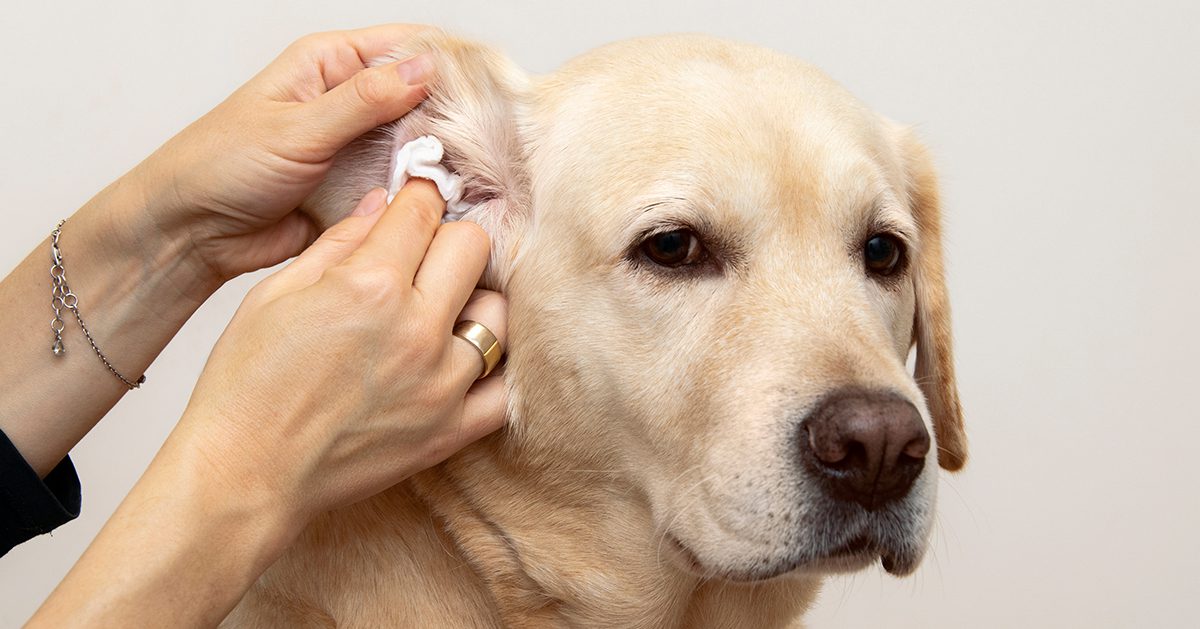
What Is a Dog Ear Infection, and What Types Are There?
A dog ear infection is inflammation of the ear canal or deeper ear structures, usually driven by an overgrowth of bacteria, yeast, or both.
Why Dogs Are Prone to Ear Problems
A dog’s ear canal has an L-shaped design. It runs down vertically and then turns sharply inward toward the eardrum. That bend makes it easy for moisture, wax, and debris to collect, creating a warm, dark space where microorganisms thrive. Healthy ears keep these organisms in balance, but once the ear’s natural defenses break down, an infection can take hold quickly.
The Three Main Types of Ear Infections
Veterinarians classify ear infections by how far into the ear they reach:
- Otitis externa: Inflammation of the outer ear canal. This is the most common form and the one most owners notice first.
- Otitis media: Infection of the middle ear, often the result of an outer ear infection spreading past or through the eardrum.
- Otitis interna: Infection of the inner ear, which can affect hearing and the balance system.
Middle and inner ear infections are more serious and typically take longer to resolve. In many cases, they begin as a mild outer ear problem that went unnoticed or wasn’t fully cleared. That progression is the main reason early detection makes such a difference. A quick exam at the first sign of discomfort can often stop the infection before it reaches these deeper and more delicate structures.
Early Warning Signs of an Ear Infection in Dogs
Most dogs with ear discomfort tell you through their behavior long before the problem becomes severe.
Pay attention when your dog shakes their head more than usual, paws at their ears, or rubs the side of their face along the carpet or furniture. Some dogs tilt their head toward the sore side or flinch when you touch near the ear. A healthy ear should look light pink and smell neutral, so changes in color, odor, or discharge are worth noting.
Common Symptoms to Look For
- Frequent head shaking or ear scratching
- Redness, swelling, or warmth in the ear canal or flap
- Brown, yellow, or bloody discharge
- A strong, unpleasant, or yeasty smell
- Crusting, scabs, or hair loss around the ear
- Whining or pulling away when the head is touched
Signs the Infection May Be Spreading
When an infection moves into the middle or inner ear, symptoms can look neurological. Watch for a persistent head tilt, loss of balance, walking in circles, unusual eye movements, or apparent hearing loss. Some dogs develop drooping on one side of the face or have trouble eating. These signs call for prompt veterinary care.
Repeated head shaking can also break small blood vessels in the ear flap, causing a fluid-filled swelling called an aural hematoma. This painful complication often requires veterinary treatment of its own, so it’s best not to let ear itching go on for long.
What Causes Ear Infections in Dogs?
Bacteria and yeast are the direct culprits behind most ear infections, but something usually sets the stage by disrupting the ear’s healthy environment first.
Allergies Lead the List
Allergies are one of the most frequent underlying causes of chronic ear problems in dogs. Both food allergies and environmental allergies to pollen, dust mites, and mold can inflame the ear canal and make it more vulnerable to infection. If your dog also licks their paws, scratches their belly, or gets skin infections, allergies may be the common thread.
Moisture and Ear Shape
Water trapped in the ear after swimming or bathing creates a perfect breeding ground for yeast and bacteria. That’s especially relevant for dogs who enjoy pools, canals, and beach trips in Broward County. Breeds with long, floppy ears, such as Cocker Spaniels, Basset Hounds, and Labrador Retrievers, have less airflow into the canal. Dogs with hairy or narrow ear canals, like Poodles and Shar-Peis, face added risk as well.
Other Contributing Factors
Several additional issues can trigger or worsen a dog ear infection:
- Ear mites, which are more common in puppies
- Foreign objects such as grass awns or plant material
- Excess wax production or overly aggressive ear cleaning
- Hormonal conditions, including hypothyroidism
- Autoimmune disorders or growths inside the ear canal
Identifying the underlying cause is just as important as clearing the current infection. Without addressing what’s driving the inflammation, many dogs end up with repeat infections that become harder to manage over time.
Diagnosis, Treatment, and Recovery at the Vet
Veterinarians diagnose ear infections through a physical exam, a look inside the ear canal, and a microscopic check of the discharge.
How Your Vet Pinpoints the Problem
Your veterinarian will use an otoscope to view the ear canal and check whether the eardrum is intact. This step matters, because some ear medications are unsafe if the eardrum has ruptured. Next, a sample of debris is usually examined under the microscope, a test called ear cytology, to identify bacteria, yeast, or mites. For stubborn or recurring cases, your vet may recommend a bacterial culture to choose the most effective medication. Dogs with very painful ears may need sedation for a thorough exam and cleaning, and suspected middle or inner ear infections can call for imaging such as X-rays or a CT scan.
What Treatment Usually Involves
Treatment is tailored to the type of organism and how deep the infection goes. Outer ear infections often respond to a professional ear cleaning followed by prescription ear medication. Some clinics offer long-acting medications applied in the office, which can reduce the need for daily dosing at home. Deeper infections may require oral antibiotics or antifungals, anti-inflammatory medication, and a longer course of care. In severe chronic cases where the ear canal has become permanently thickened or narrowed, surgery may be an option your vet discusses.
Staying on Track During Recovery
Most outer ear infections improve within one to two weeks, while deeper infections can take several weeks or longer. Give medications exactly as directed and for the full prescribed course, even once the ears look better. A recheck appointment confirms the infection has truly cleared, since stopping treatment too soon is one of the main reasons infections return.
Protecting Your Dog’s Ears with Embassy Lakes Animal Hospital
Preventing a dog ear infection starts with paying attention to your pet’s ears and treating the conditions that put them at risk. Make a habit of looking inside your dog’s ears once a week and noting any redness, odor, or discharge. Drying the outer ear after swimming or bathing helps limit moisture buildup. If your dog is prone to ear problems, ask your veterinarian whether a routine cleaning schedule makes sense and which products are safe for your pet, since the wrong cleaner or technique can irritate the canal.
Managing allergies with your veterinary team also goes a long way toward reducing flare-ups. Regular wellness exams at Embassy Lakes Animal Hospital give us a chance to catch early changes before they become painful infections. If your dog is shaking their head or scratching at their ears, call Embassy Lakes Animal Hospital at (954) 432-5811 to schedule an exam and get your pup feeling comfortable again.
Share This Article
Related Articles

About Embassy Lakes Animal Hospital
Located in Cooper City, FL, we strive to do more than simply be a full-service veterinarian for your pet. Our decades of experience has served generations of families and their beloved pets and we look forward to serving you as well!