

The Itch is Real: How to Recognize and Treat a Dog Ear Yeast Infection

A dog ear with yeast infection rarely starts as a big problem. It often begins with subtle head shaking, a little scratching, or an ear that smells slightly “off.” Over time, that mild irritation can turn into persistent discomfort that disrupts daily routines for both dogs and their people. Yeast thrives in warm, moist environments, which makes the ear canal an ideal place for it to grow when conditions allow. Understanding what causes these infections, what signs to watch for, and how they are typically addressed can help pet owners act sooner and reduce the risk of recurring ear trouble.
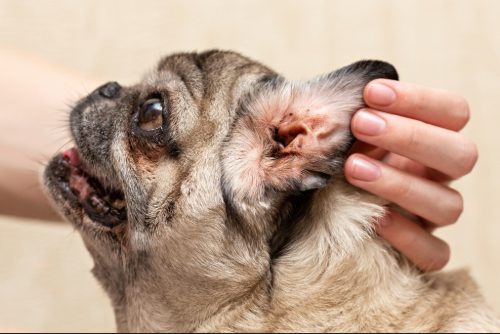
What Causes Yeast Infection of the Ear?
A dog ear with yeast infection develops when yeast organisms multiply beyond their normal levels inside the ear canal. Yeast is naturally present on a dog’s skin and ears, but problems arise when the environment inside the ear changes. Excess moisture from swimming, bathing, or humid weather can create the perfect conditions for overgrowth. Dogs that spend time in pools, lakes, or South Florida’s warm climate may face a higher risk when ears do not dry fully.
Underlying health factors also contribute to ear yeast infections. Allergies, whether food-related or environmental, can cause inflammation and increased wax production inside the ear. That inflammation alters the ear’s natural balance and allows yeast to flourish. Hormonal conditions, changes in the immune system, or chronic skin issues may also increase susceptibility.
Ear structure plays a role as well. Dogs with floppy ears or narrow ear canals often have reduced airflow, which traps heat and moisture. When these factors combine, yeast can multiply quickly, turning a minor imbalance into a painful infection that requires veterinary attention.
What Are the Signs of an Ear Yeast Infection in Dogs?
Recognizing the early signs of a dog ear with yeast infection can make a meaningful difference in how quickly the issue is addressed. Many dogs show discomfort long before obvious discharge appears, and those early clues should not be overlooked.
Common signs pet owners may notice include:
- Frequent head shaking or tilting
- Persistent scratching at one or both ears
- A strong, musty, or sour odor coming from the ear
- Redness or swelling inside the ear canal
- Thick, dark discharge that may resemble coffee grounds
Behavioral changes can also occur. Dogs dealing with ear discomfort may seem irritable, avoid having their head touched, or appear less interested in play. In more advanced cases, balance issues or sensitivity around the ear may develop, especially if inflammation becomes severe.
Because these symptoms can overlap with other ear conditions, it is important to have the ear evaluated by a veterinarian. Prompt evaluation helps determine whether yeast, bacteria, or another issue is responsible and guides the next steps in care.
How Is a Yeast Infection in a Dog Treated?
Treatment for a dog ear with yeast infection typically focuses on addressing both the yeast overgrowth and the factors that allowed it to develop. Veterinary care often begins with a thorough ear examination and diagnostic testing to confirm the cause of the infection. This step ensures that treatment targets the right issue rather than masking symptoms.
Veterinary Treatment Options
Once yeast is confirmed, treatment often includes professional ear cleaning and prescribed medications designed to restore balance inside the ear. These treatments may help reduce inflammation, manage yeast levels, and soothe irritated tissue. In some cases, ongoing management plans are discussed, especially if allergies or chronic skin conditions are involved.
Follow-up visits are often recommended to ensure the infection has resolved and that no secondary issues remain. Consistent care helps reduce the chance of recurrence, which is common when underlying causes are left unaddressed.
General At-Home Support Measures
While medical treatment should always be guided by a veterinarian, there are general supportive steps pet owners may be advised to take at home. These can include keeping ears dry after swimming, gently wiping the outer ear with veterinarian-approved products, and monitoring for early signs of irritation. These measures support overall ear health but should never replace professional diagnosis or treatment.
If you suspect a dog ear with yeast infection, contacting your veterinary team promptly can prevent prolonged discomfort and complications.
Are Certain Dog Breeds More Susceptible to Yeast Infections?
Some breeds are more likely to develop a dog ear with yeast infection due to their physical traits or genetic predispositions. Ear shape is one of the most influential factors. Dogs with long, floppy ears often experience limited airflow, which allows moisture and heat to build up inside the ear canal.
Breeds commonly associated with higher risk include Cocker Spaniels, Basset Hounds, Labrador Retrievers, and Poodles. Dogs with hair growing inside the ear canal may also experience increased moisture retention. Additionally, breeds prone to allergies or skin sensitivities may face recurring ear issues as part of a broader pattern of inflammation.
That said, any dog can develop a yeast ear infection under the right conditions. Breed alone does not determine risk, which is why routine ear checks and preventive care matter for every dog, regardless of size or coat type.
How Can Ear Infections in Dogs Be Prevented?
Preventing a dog ear with yeast infection often involves consistent ear care and attention to environmental factors. While not every infection can be avoided, thoughtful routines may help reduce frequency and severity.
Helpful prevention strategies may include:
- Drying ears thoroughly after swimming or bathing
- Scheduling regular veterinary wellness exams
- Monitoring for allergy symptoms that affect the ears
- Using veterinarian-recommended ear care products
Routine observation is just as important. Checking your dog’s ears weekly allows you to notice redness, odor, or discharge before discomfort escalates. Dogs that have experienced previous ear infections may benefit from tailored prevention plans developed with their veterinarian.
Prevention works best when it addresses the underlying contributors, such as allergies or chronic skin conditions. Your veterinary team can help identify patterns and recommend next steps that support long-term ear health.
When the Itch Won’t Quit: Take the Next Step for Healthier Ears
A dog ear with yeast infection can progress quickly from mild irritation to ongoing discomfort if left untreated. Early recognition, professional evaluation, and thoughtful follow-up care play a major role in helping dogs stay comfortable and active. Ear infections often signal a deeper issue, which is why addressing the root cause matters as much as clearing the infection itself.
If your dog is showing signs of ear irritation or you have questions about recurring ear problems, the team at Embassy Lakes Animal Hospital can help with your dog’s ear infection. Call (954) 432-5811 or request an appointment online to have your dog’s ears evaluated and create a plan that supports lasting relief.
Share This Article
Related Articles

About Embassy Lakes Animal Hospital
Located in Cooper City, FL, we strive to do more than simply be a full-service veterinarian for your pet. Our decades of experience has served generations of families and their beloved pets and we look forward to serving you as well!