

Can Your Dog Safely Eat Turkey?

Turkey often shows up on family tables, especially during the holidays, and many pet owners wonder if they can share this meal with their dog. So can dogs eat turkey? The answer depends on how the turkey is prepared and served. While turkey itself isn’t harmful, certain ingredients and cooking methods can make it unsafe. The team at Embassy Lakes Animal Hospital can help you understand what makes turkey safe or unsafe for dogs, so you can make better choices when treating your pets.
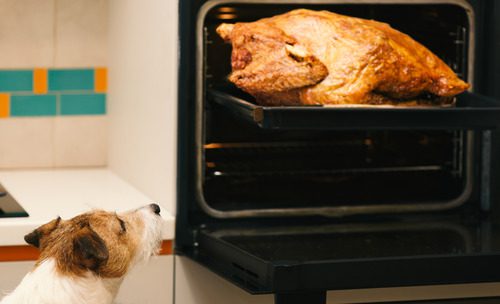
Can Dogs Eat Turkey?
The simple answer is yes, dogs can eat turkey, but there are important details to consider. Turkey is a lean source of protein that supports muscle health and energy levels. However, the way it’s cooked and served makes a significant difference. Dogs should never eat turkey that includes butter, oils, heavy seasonings, onions, garlic, or fatty skin. These extras can upset the digestive system and create more serious health concerns. Plain, unseasoned, skinless turkey meat in moderation can be a safe option.
When asking “Can dogs eat turkey?”, pet owners should think about more than the meat itself. Turkey bones, for example, are never safe. Cooked bones splinter easily and can cause choking or injuries to the digestive tract. For this reason, only boneless turkey without added flavorings is considered safe for dogs.
Health Benefits of Plain Turkey for Dogs
If turkey is prepared correctly, it offers some nutritional advantages. This is one reason pet owners keep asking if dogs can eat turkey as part of their dog’s diet.
Lean Protein for Strength
Turkey provides lean protein, which supports strong muscles and active lifestyles. Dogs rely on protein for growth, repair, and energy. Compared to other meats, turkey is lower in fat, which may help with weight management.
Amino Acids and Nutrients
Beyond protein, turkey also contains important amino acids and nutrients such as phosphorus, riboflavin, and selenium. These contribute to energy production and balanced nutrition.
Digestibility
Plain turkey is generally easy for dogs to digest when offered in small amounts. Unlike rich or fatty meats, plain turkey does not usually upset sensitive stomachs when given carefully.
Risks of Feeding Turkey to Dogs
While plain turkey may be safe, not all turkey dishes are created equal. Asking “Can dogs eat turkey?” requires looking at common risks found in typical meals.
Seasonings and Additives
Many recipes include garlic, onion, butter, and herbs. Garlic and onion are toxic to dogs, even in small amounts. Butter and oils add unnecessary fat, which may upset digestion.
Turkey Skin and Fat
The skin holds most of the seasoning and fat. This makes it especially risky for dogs. Fatty foods may contribute to digestive upset and other health concerns.
Cooked Bones
Turkey bones are a serious hazard. They splinter when chewed, which can lead to injuries inside the mouth or digestive tract. Raw bones also carry risks, so it’s best to avoid bones altogether.
Safe Ways to Offer Turkey to Dogs
If you’re wondering, “Can dogs eat turkey safely?”, the answer comes down to preparation and portion control.
Keep It Plain
The safest option is plain, unseasoned turkey without skin or bones. Serving small amounts ensures that the treat does not overwhelm your dog’s normal diet.
Avoid Table Scraps
Even if turkey meat itself is safe, most table scraps include seasonings or sides that are not. Stuffing, gravy, and sauces often contain onions, garlic, or excess fat. These should always be avoided.
Use Moderation
Turkey should be offered as an occasional treat rather than a daily staple. Too much of any single food can unbalance your dog’s diet.
Turkey Alternatives in Dog Diets
If you like the idea of turkey but don’t want the risks, several alternatives exist. Commercial dog foods often use turkey as a primary protein source. These diets are formulated with balanced nutrition, which eliminates concerns about preparation. Treats made from dried or freeze-dried turkey also provide safe options without seasonings. For those who continue to ask if dogs can eat turkey, these alternatives may be a safer way to include it. They deliver the same benefits without the risks of cooking oils, bones, or spices.
Holiday Considerations
Holidays often bring the biggest spike in the question, “Can dogs eat turkey?” With so many tempting foods around, pets are more likely to receive scraps under the table. While it feels generous to share, holiday foods are often the riskiest. Rich side dishes, stuffing, and gravy increase the chances of dogs eating unsafe ingredients. Keeping turkey portions small and plain can make the holiday safer. Reminding guests not to slip food under the table is also helpful. Dogs may not know the difference between a safe bite of turkey and a dangerous one filled with spices or fat.
When to Contact Your Cooper City Veterinarian
Even with the best intentions, accidents happen. Dogs may grab turkey scraps or bones before anyone notices. If that happens, it’s important to call your veterinarian for guidance. Embassy Lakes Animal Hospital in Cooper City, FL, is available to help if you’re worried about what your dog may have eaten. Contact the team at (303) 469-1616 or book an appointment online if you have concerns.
A Balanced Approach to Turkey Treats
So, can dogs eat turkey? Yes, but only under specific conditions. The safest way is to serve plain, skinless, unseasoned meat in small amounts. When cooked with added spices or served with bones, turkey becomes unsafe. While turkey can offer protein and nutrients, it should remain an occasional treat rather than a dietary mainstay. For pet owners in Cooper City, Embassy Lakes Animal Hospital can help answer questions about safe foods and nutrition. Call (954) 432-5811 or book an appointment online to learn more about safe dietary practices tailored to your dog.
Share This Article
Related Articles
About Embassy Lakes Animal Hospital
Located in Cooper City, FL, we strive to do more than simply be a full-service veterinarian for your pet. Our decades of experience has served generations of families and their beloved pets and we look forward to serving you as well!